Key takeaways
- Yes, nasal congestion can cause or worsen snoring by increasing nasal resistance and encouraging mouth breathing during sleep.
- In a population-based JAMA cohort, severe nighttime congestion was linked to about 3 times the odds of habitual snoring versus no congestion, and persistent severe congestion was linked to 4.9 times the odds at follow-up.
- The most common drivers are allergies, colds, sinus inflammation, and structural narrowing such as a deviated septum or enlarged nasal tissues.
- Snoring from congestion is often manageable, but chronic blockage or snoring with gasping, pauses in breathing, or dangerous daytime sleepiness deserves medical follow-up.
Can nasal congestion cause snoring?
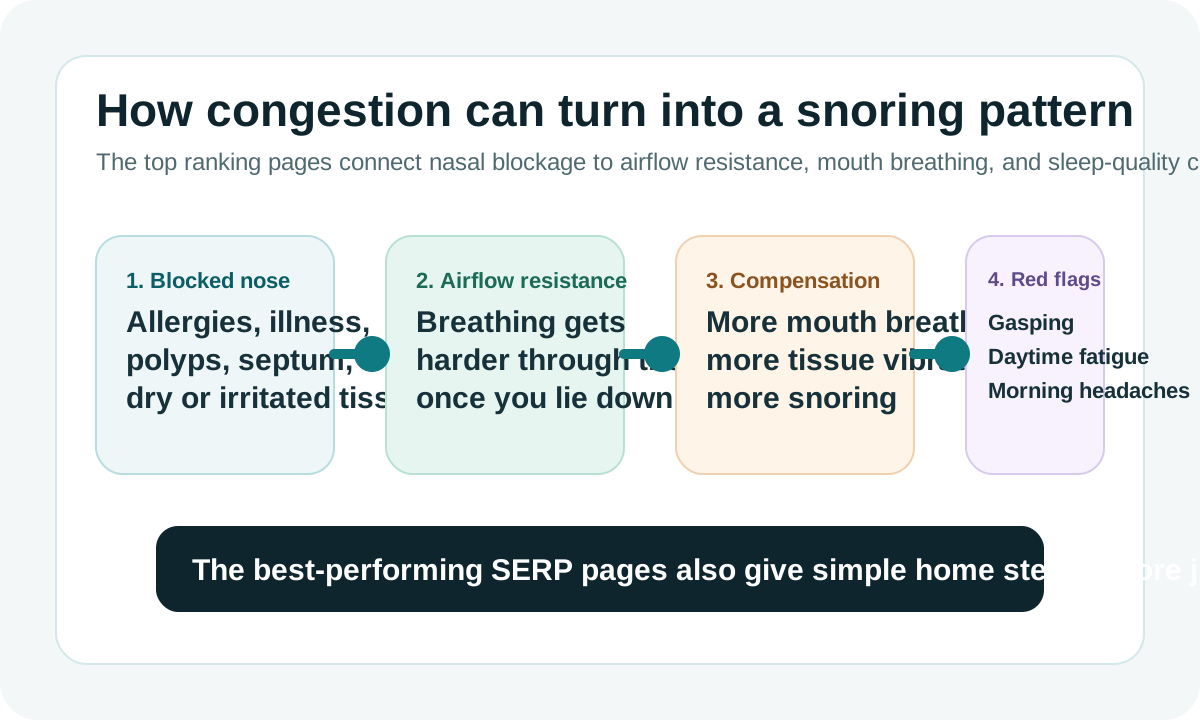
Yes. Snoring happens when airflow becomes turbulent and nearby tissues vibrate. When the nose is partly blocked, breathing through it takes more effort. Some people keep pulling harder through a narrow nasal passage. Others switch to mouth breathing without noticing. Both patterns can make snoring louder.
This is why people often say they snore more when they have allergies, a cold, or sinus pressure. The sound may seem like a throat problem, but the trigger may have started in the nose. That does not mean every snorer has a sinus problem. It means congestion is one of the first high-yield causes to check because it is common and often treatable.
Why snoring often gets worse at night when your nose is blocked
Lying down changes congestion
Nasal swelling and drainage can feel worse when you are flat, especially during a cold, allergy flare, or sinus irritation.
Mouth breathing becomes more likely
If the nose feels blocked, the jaw may drop open during sleep. That can change tongue and soft-palate posture and add more vibration.
Other snoring triggers can stack
Back sleeping, alcohol, or an already narrow airway can combine with congestion and make a temporary problem sound much worse.
Ask both what is wrong with your nose and what else is on the menu that night—back sleeping, alcohol, a narrow airway. Congestion alone can be loud; congestion plus other triggers is often when partners start sleeping on the couch.
Common causes of congestion-related snoring
"Stuffy nose" is only the surface description. The more useful question is what is causing the blockage in the first place, because the best treatment depends on the cause.
- Allergies: Seasonal allergies, dust, pet dander, and bedroom irritants can swell nasal tissues and worsen airflow at bedtime.
- Colds and viral illness: Temporary nasal swelling and mucus are common reasons snoring suddenly appears or gets louder.
- Sinusitis or ongoing inflammation: Chronic sinus symptoms can keep the nose blocked night after night.
- Structural narrowing: A deviated septum, enlarged turbinates, nasal polyps, or other anatomy issues can make congestion feel persistent rather than occasional.
- Mouth breathing spillover: Once the mouth starts taking over, the snoring sound may continue even after the nose is only partly blocked.
What the evidence says
A population-based cohort in JAMA Internal Medicine followed 4,916 adults and linked severe nighttime nasal congestion to about three times the odds of habitual snoring versus no congestion. People with persistent severe congestion had about five times the odds of habitual snoring at follow-up.
In plain terms: the nose-throat link shows up in data, not just anecdotes. That is why allergists and ENTs often want nasal airflow addressed before anyone spends money on anti-snoring gadgets.
What to try first if a stuffy nose is making you snore
- Use saline spray or a saline rinse if it is safe for you and fits your routine.
- Sleep on your side instead of flat on your back.
- Raise the head of the bed slightly or use head elevation if congestion feels worse when flat.
- Reduce bedroom irritants such as dust, smoke, or obvious allergy triggers.
- Treat the likely cause instead of only the symptom: allergy management, cold care, or clinician-guided sinus treatment may matter more than generic "snoring fixes."
- Be cautious with repeated decongestant use without a plan, especially if congestion keeps returning.
The point is to support nasal airflow first and see whether the noise improves before assuming you need a gadget or a more aggressive anti-snoring fix.
When it may be more than congestion
A blocked nose can absolutely drive snoring, but it is not the only explanation. If snoring comes with gasping, choking, witnessed pauses in breathing, morning headaches, or daytime sleepiness that affects driving or work, do not assume the problem is "just allergies." Those signs can overlap with obstructive sleep apnea.
That distinction matters because the next step changes depending on the pattern. Temporary congestion may respond to self-care, but sleep-apnea-style symptoms deserve testing rather than guesswork.
What to track before an appointment
A short symptom pattern can make an ENT or primary care visit much more useful. You can use our printable 14-day sleep breathing log or any notebook—consistency matters more than the format.
- Whether congestion is seasonal, only during illness, or present most nights
- Whether one side of the nose is always more blocked
- Whether snoring improves with side sleeping or head elevation
- Whether you wake with dry mouth, headaches, or unrefreshing sleep
- Whether others notice pauses in breathing, gasping, or loud positional snoring
Frequently asked questions
- Can nasal congestion really cause snoring? Yes. A blocked nose raises airflow resistance and makes mouth breathing more likely, which can increase vibration and noise during sleep.
- Why is my snoring worse at night when I am congested? Congestion often feels worse when lying down, and back sleeping can make the jaw fall open. That combination can make snoring sound louder.
- What helps if a blocked nose is making me snore? Saline, side sleeping, head elevation, humidity, and treating the cause of congestion are the most common first steps.
- Could a deviated septum or nasal polyp be part of the problem? Yes. Structural narrowing is a common cause to consider, especially when congestion feels chronic or one-sided.
- When should I think about sleep apnea instead of just a stuffy nose? If snoring comes with gasping, witnessed pauses, dangerous daytime sleepiness, or morning headaches, medical evaluation is a better next step than guessing.