Sleep breathing guides

Practical guidance for mouth breathing, snoring, and the habits that shape sleep.

Quiet Night Guide covers the questions people usually ask first: why they wake up with a dry mouth, why snoring changed, what simple routines may help, and when it makes sense to talk with a sleep, dental, or airway professional.

Who it helps Adults and families looking for practical breathing and snoring answers
Coverage Plain-language guides about breathing habits, snoring, and oral function
Care approach Self-help where appropriate, evaluation when symptoms suggest something more serious
Reader focus Clear trust cues

Clear authorship, update dates, and editorial standards help readers understand who is behind the information.

Reader focus Simple page hierarchy

Simple sections, clear takeaways, and plain language make the guides easier to use.

Reader focus Problem-first navigation

Many readers start with symptoms and routines before they learn the clinical terms.

Reader focus Helpful next steps

The best pages explain what to try, what not to assume, and when to seek evaluation.

Guides

Start with the questions people ask first.

These guides cover the main symptom, cause, and routine questions that shape this topic: mouth breathing, snoring triggers, oral exercises, and when to get checked.

Mouth Breathing at Night

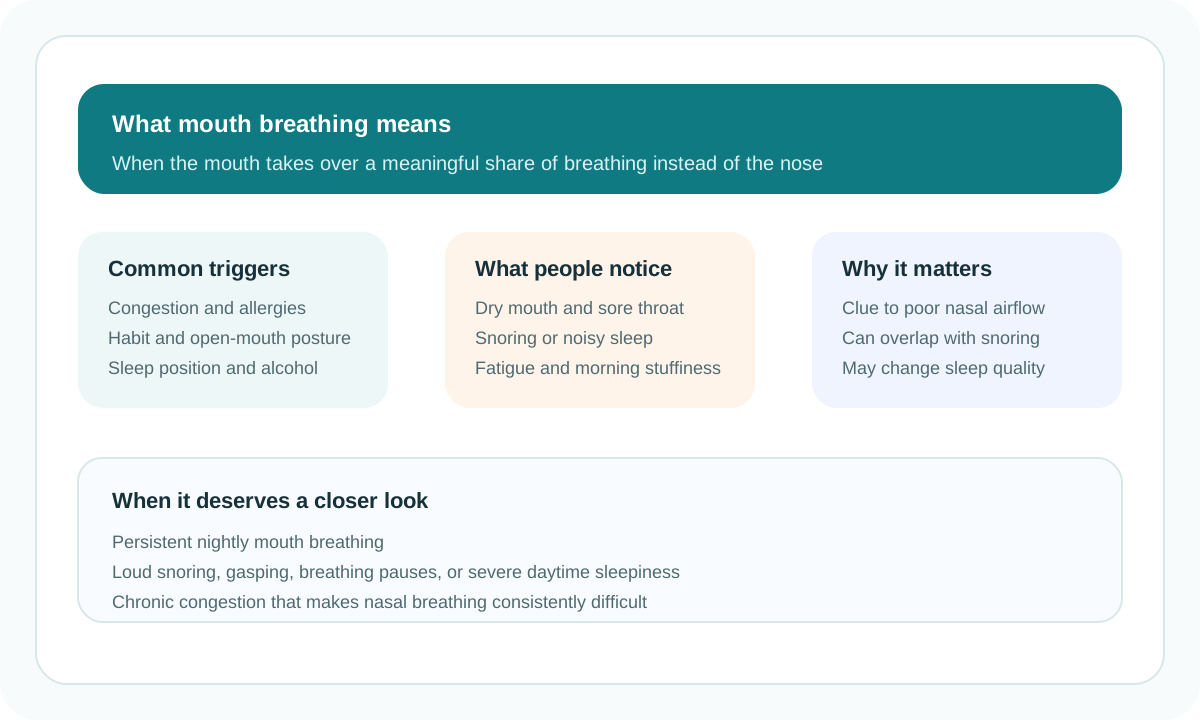
Symptom-led guide covering common causes, what readers can test first, and when mouth breathing deserves a closer look.

Open guide

Nasal Congestion and Snoring

Practical explainer on how blocked nasal airflow shifts breathing patterns and can make snoring louder or more frequent.

Open guide

Myofunctional Therapy Explained

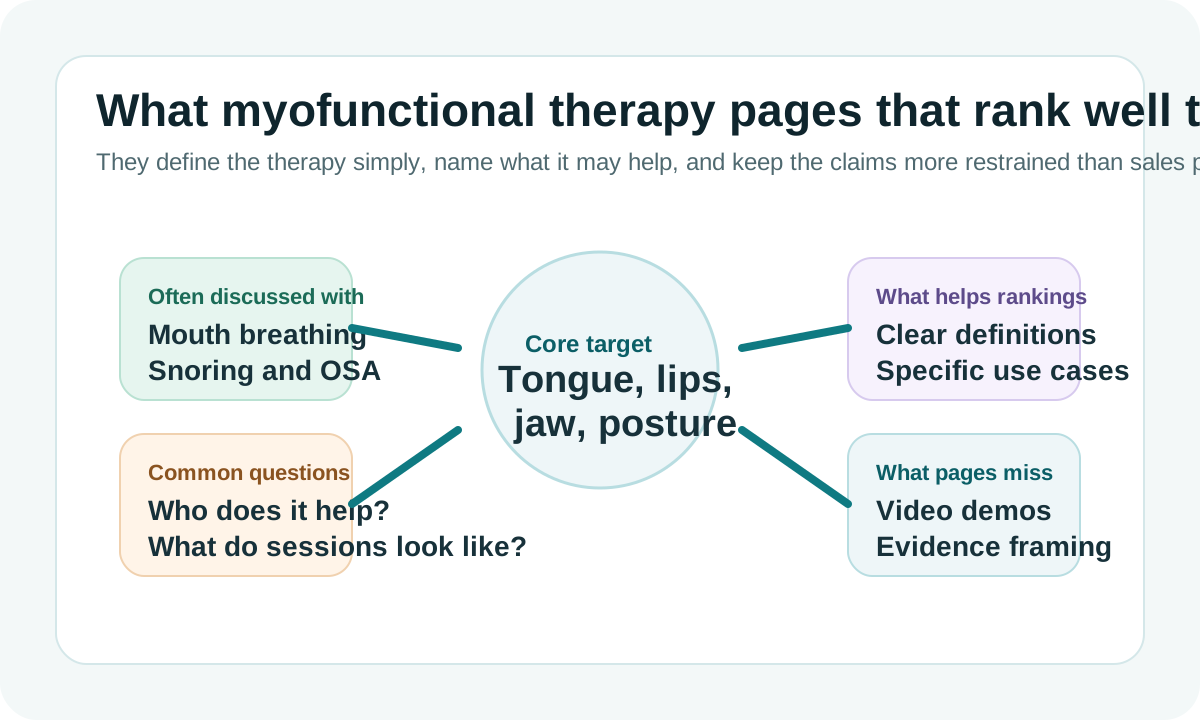
Foundational page that connects oral function, tongue posture, and breathing habits without overpromising outcomes.

Open guide

What Is Mouth Breathing?

Introductory definition page that bridges symptoms, causes, side effects, and when the pattern matters clinically.

Open guide

Why Do People Snore?

Problem-first explainer on how airway narrowing, sleep position, alcohol, and congestion can change nighttime airflow.

Open guide

Exercises to Reduce Snoring

Multimedia routine page pairing clear exercise logic with videos, progression ideas, and realistic expectations.

Open guide

Topics

Browse the main topic areas.

Mouth Breathing

  • What mouth breathing is
  • Mouth breathing at night
  • Symptoms in adults and children
  • How to stop mouth breathing

Snoring

  • Why snoring happens
  • Snoring and congestion
  • Snoring and sleep position
  • When snoring may suggest sleep apnea

Myofunctional and Oral Function

  • What myofunctional therapy is
  • Tongue posture basics
  • Lip seal and swallowing patterns
  • Adult expectations and cost

Exercises Library

  • Tongue and throat exercises
  • Nasal breathing drills
  • Bedtime routines
  • Common mistakes and safety notes

Evaluation and Next Steps

  • When to see an ENT
  • When to see a sleep doctor
  • How to think about testing
  • Questions to ask providers

Sleep Habits and Environment

  • Side sleeping strategies
  • Alcohol and bedtime timing
  • Dry air and room setup
  • Nightly habit tracking

Editorial information

Clear editorial information helps readers understand how the site is run.

Quiet Night Guide explains who publishes the site, how articles are reviewed, and how reader privacy is handled. These pages are here to make the information easier to trust and easier to use.

Read the editorial policy

Trust layer

Helpful health information should be clear about who wrote it and how it is reviewed.

About page

Explains the site mission, who the content is for, and who helps publish it.

Open About

Editorial policy

Documents review standards, medical caution, update practices, and linking discipline.

Open Editorial Policy

Privacy page

Explains what limited site data may be collected and how privacy is handled.

Open Privacy Policy

Featured guide

An example article with takeaways, references, and related reading.

Read the guide